3 Things You Need to Know About Your Drinking Water as Temperatures Plummet
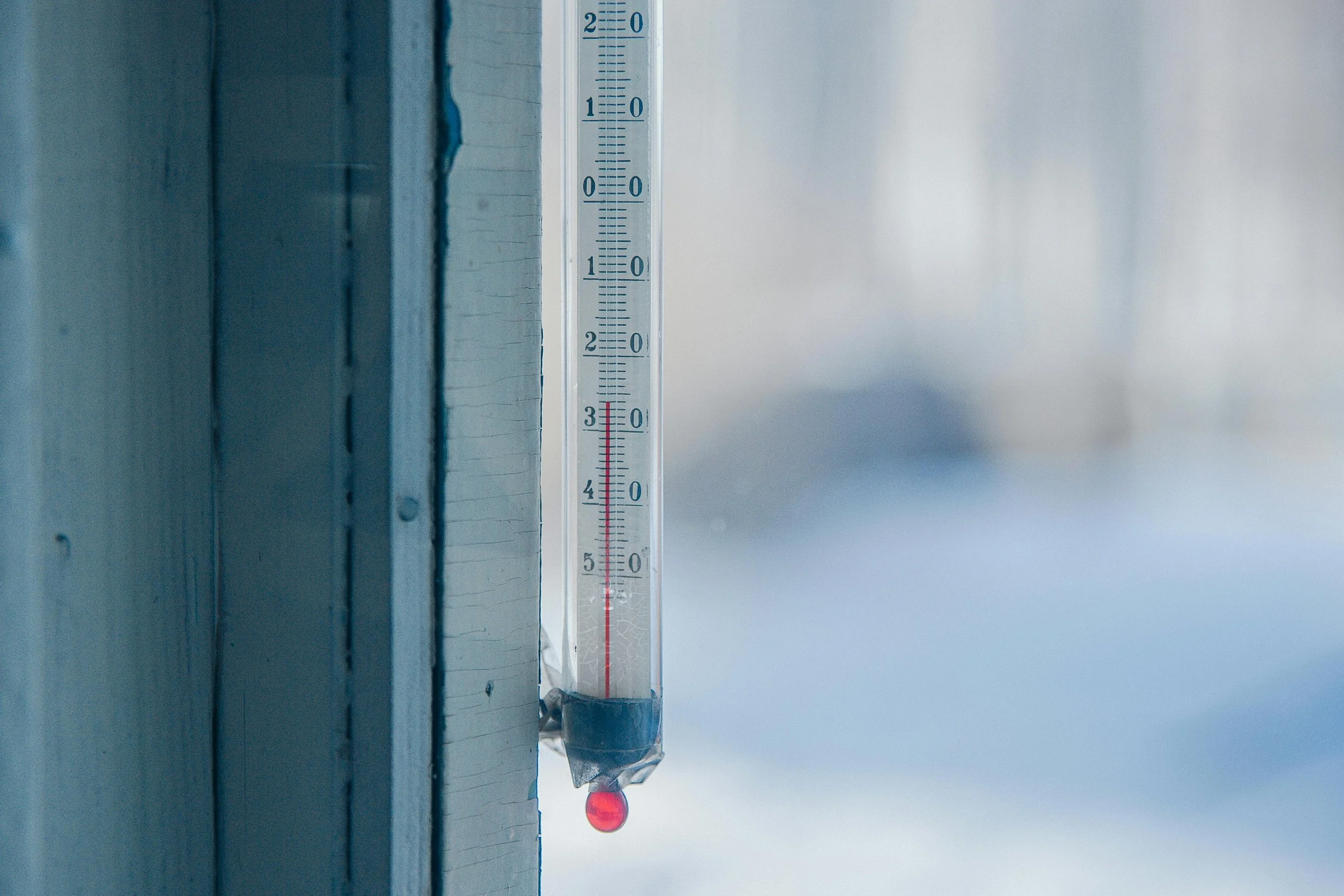
Photo by Ivan Babydov on Pexels
As a surge of arctic air and wintery weather makes its way into southern Canada and the northern US this weekend, people are preparing. Here’s what you can do to stay safe during wild winter weather!
With wind chill temperatures set to reach below -40°C, local officials in some regions have urged people to stay indoors when possible and stock up on necessities like batteries, non-perishable food and, most importantly, water in case of a power outage.
But what happens to our water supply when the lights go out, and what can you do to stay safe?
1.Without heat, freezing temperatures can cause pipes to burst
When water freezes, it expands. This unique characteristic is what makes ice float. However, when water is trapped in a confined space, such as a fire hydrant, city water lines, or the pipes in your home, this expansion can cause pipes to burst. Once the ice thaws, you’re in for a plumbing nightmare.
What can you do?
While most short-term power outages will not last long enough for the temperatures in your house to dip below freezing, there are some precautions you can take if you are without heat for a long time:
If you lose heat for an extended period, shut off your main water supply and open taps to allow water in your pipes a way to escape.
Keep the area around your main water line warm if possible. Even a small amount of heat from insulation or even body heat can mean the difference between a dry basement and a plumbing catastrophe
Keep an eye on notices from your local municipality about waterline breaks or work being done outside your home and how they might impact your water quality
2. Without electricity, water treatment plants may not operate at full function
In the case of a power outage, most water treatment plants are equipped with generators to kick in if power fails. However, during prolonged power outages or if the generators fail, the plant may not be able to operate at full capacity, leading to an increase in sewer overflows and potentially compromising water quality.
What can you do?
Limit water use in terms of intake and wastewater to reduce pressure on water treatment systems
Keep clean water on hand for emergencies
Check local notices about drinking water and local water quality post-storm
Some municipalities allow you to sign up for emergency alerts that will notify you automatically of local advisories
3. Water makes the world go round
While we often take it for granted, access to clean water underpins many day to day activities. From cooking and cleaning in your home to personal hygiene and flushing a toilet, we rely on a steady, clean water supply.
What can you do?
Know what systems and processes rely on water in your day-to-day life. Being aware is the first step in being prepared.
Make efforts to reduce your water use regardless of the weather
Before, during and after storms, reflecting on your relationship to water through programs like the Watermark Project can help you to express gratitude for water.
While there are many things to consider during extreme weather events, safety is the most important. Stay safe and stay warm this weekend. While you’re inside waiting for the weather to chill out (see what we did there?), here are a few articles to help get you through the winter:
Lastly, don’t forget to submit your Watermark!!