
Where Does Algae Go In the Winter?
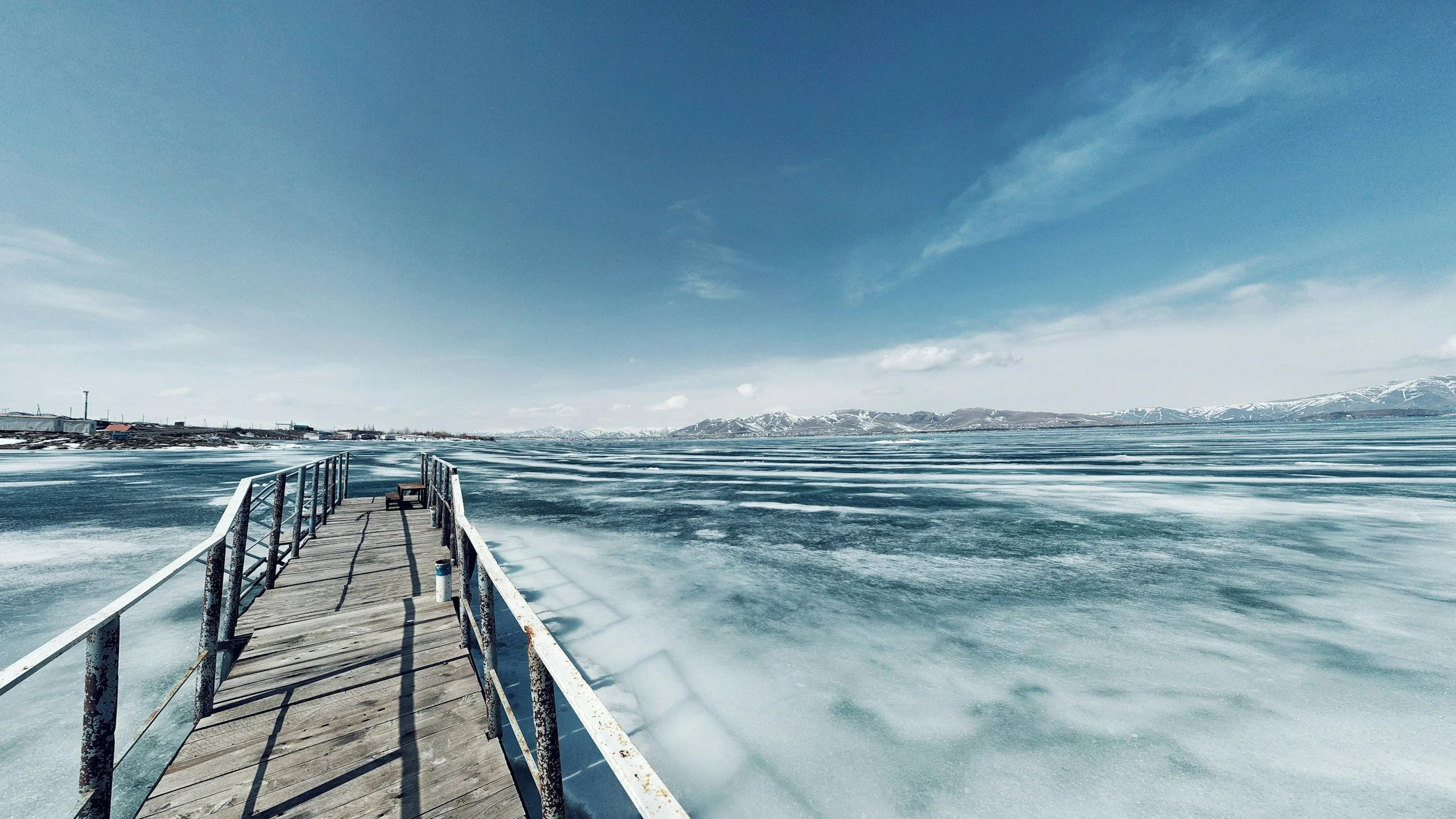
Photo by Vruyr Martirosyan
Every spring, we are inundated with questions when algae blooms inevitably pop up.
“Where did all this algae come from? There wasn't any a few weeks ago!”
Algae growth is fueled by warm water temperatures, high nutrients, and sunlight. While algae growth might slow during the winter due to colder water temperatures, that doesn't mean that algae is gone or stops growing. Some species of cyanobacteria can survive under ice, especially in lakes with high nutrient levels.
During the cool season, algae slow their growth or go dormant, waiting for better conditions. As soon as warmer spring temperatures hit, they are ready to bloom and grow rapidly.
But it's not just warm weather that brings on blooms: As surface waters warm, the lake ‘turns over’, a process by which cooler surface waters sink to the bottom of the lake, pushing warmer nutrient-filled water to the surface. This process dredges up nutrients trapped in lake bed sediments to the surface, giving the algae an added boost. This process also brings oxygen-rich waters to the bottom of the lake, allowing resources to be mixed more evenly through the water column and maintaining a healthy balance under normal conditions.
Overall, algae is an ever-present and natural part of our freshwater lakes. It only becomes a problem when its growth is unchecked due to excess nutrients, increased light due to invasive mussels, and abnormally warm waters as a result of climate change.
If algae is a nuisance on your shoreline, consider using the Visual Assessment Survey Tool (VAST) to document and report algae in your region.