
Photo by Fachy Marín on Unsplash
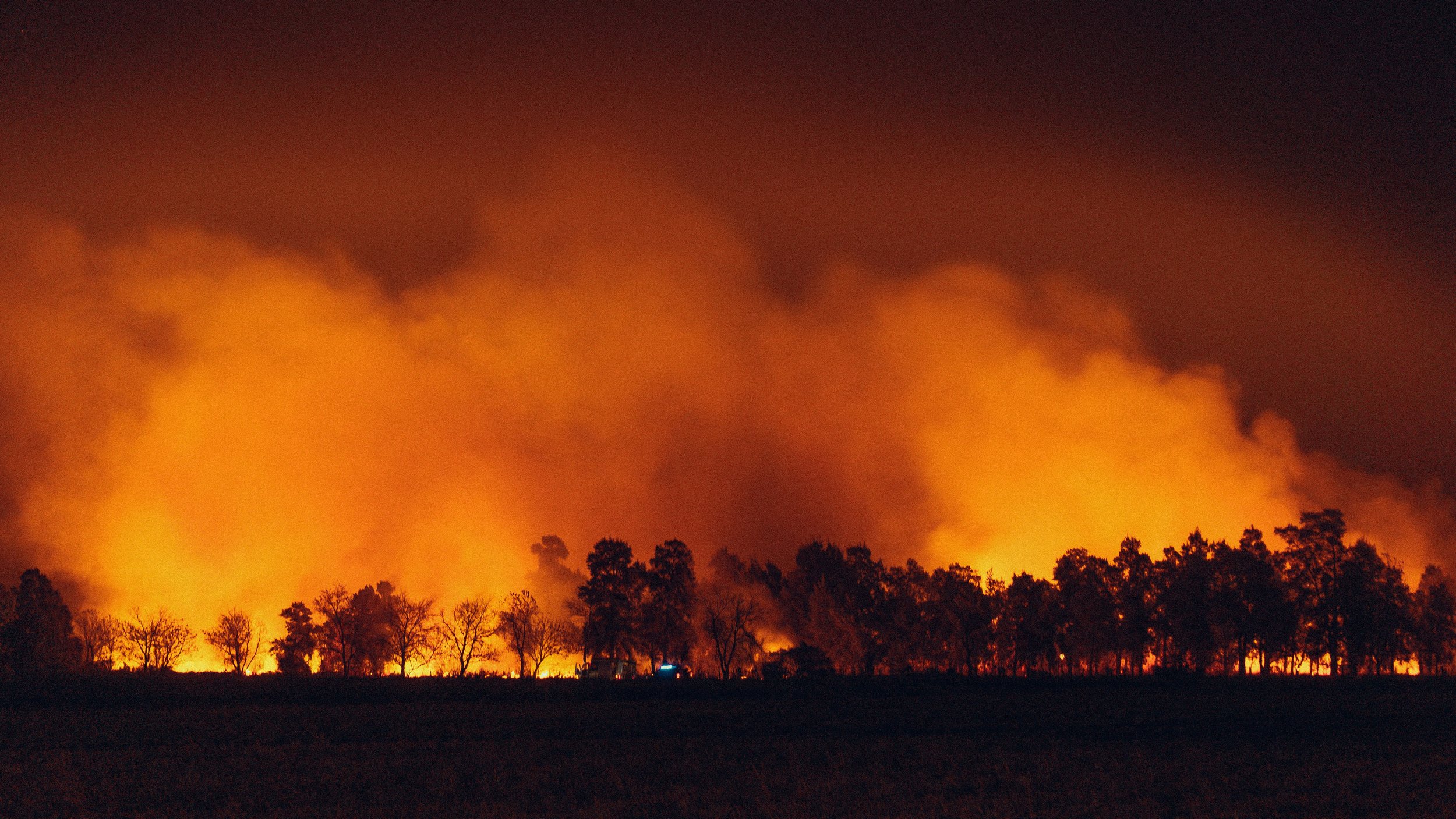
With fires burning across the Great Lakes watershed, and smoke shrouding most of Ontario and Quebec, the impacts of wildfires are pertinent to us now more than ever. As the climate continues to warm, summer temperatures soar, things dry out, and water access decreases; fires are becoming a regular occurrence in Canadian summers. Approximately 88% of the drinking water plants in Canada are supplied by lakes, reservoirs, and rivers, most of which are located in forested areas. Beyond the immediate destruction, fires also have severe and lasting impacts on drinking water.
Wildfires degrade water quality by affecting both source water and water delivery systems, threatening access to clean water for months to years after the flames are extinguished. As droughts persist and temperatures rise, drinking water shortages and wildfire-induced contamination become increasingly pressing concerns. While the visible scars of wildfires include scorched landscapes and displaced communities, the hidden consequences—especially on water quality—often go unnoticed.
How Do Wildfires Affect Water?
1. As wildfires burn everything in their path, the smoke can carry heavy metals and toxic chemicals long distances, contaminating water both on-site, and far from the flames.
As houses, cars, and infrastructure are consumed by flames, they can release heavy metals and other contaminants of concern into the environment. Following a wildfire, the ashes settle on exposed soil. When it rains, these ashes can be washed into nearby rivers and streams, introducing contaminants and changing the pH of the water. This can have severe impacts on local water quality and harm wildlife, becoming a long-term water quality problem.
As fires burn and remove surface vegetation, rates of erosion can increase. This can not only introduce soil-born contaminants into the water, but also increase the amount of sediment in the water. Contaminants can also be carried long distances by smoke. As the particles settle out of the air, or mix with rainwater as it falls, they can contaminate water far from the initial source.
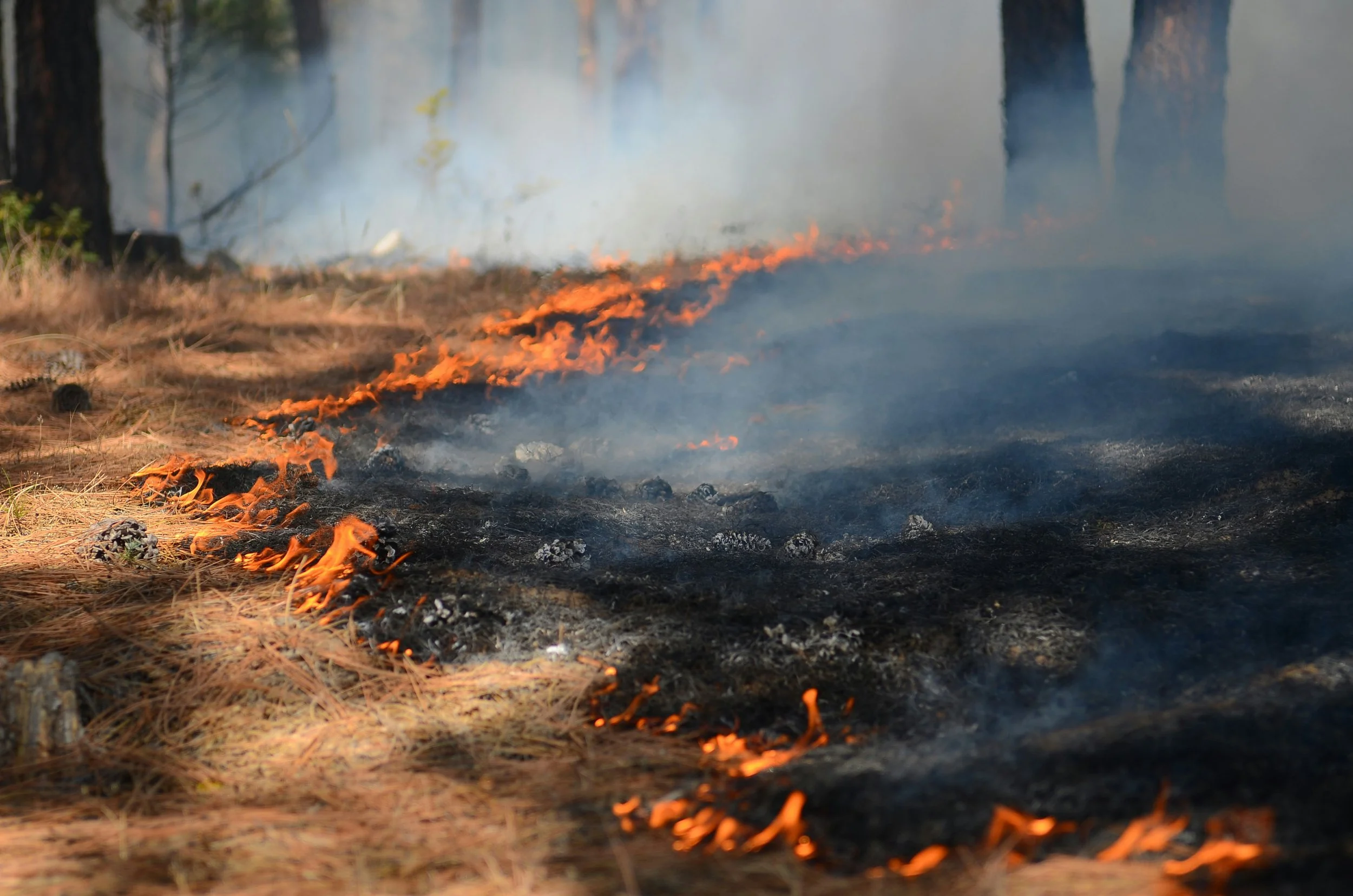
Photo by Emma Renly on Unsplash
2. Wildfires burn vegetation; increasing erosion and adding nutrients to rivers and streams which feed algae
Burnt vegetation and newly exposed soil can release nutrients such as phosphorus and nitrogen into waterways. This can trigger or worsen algae blooms, during their peak seasons in late summer. Algae, aside from being unsightly, can reduce oxygen levels in the water, harming wildlife. Additionally, some forms of algae such as blue-green algae, can release toxins, which pose a risk to humans, pets and wildlife.
While modern water treatment systems can filter out toxins through drinking water treatment, people/pets who are drawing their water directly from lakes, or using lakes recreationally, could be at a higher risk. Boiling water, a method that is often recommended for treating bacterial contamination, can actually have detrimental effects on human health, as blue-green algae dies off and releases an increased amount of dangerous toxins. Storms following wildfires can affect water supplies as burned areas are more susceptible to erosion, increasing the accumulation of sediment in downstream water bodies. Thus, the intensified impacts of erosion and deposition of nutrients are evidenced to have long-lasting consequences on water used for domestic, agricultural, and ecological purposes, as wIldfires can alter water channels, changing water systems.
3. Shift in water dynamics
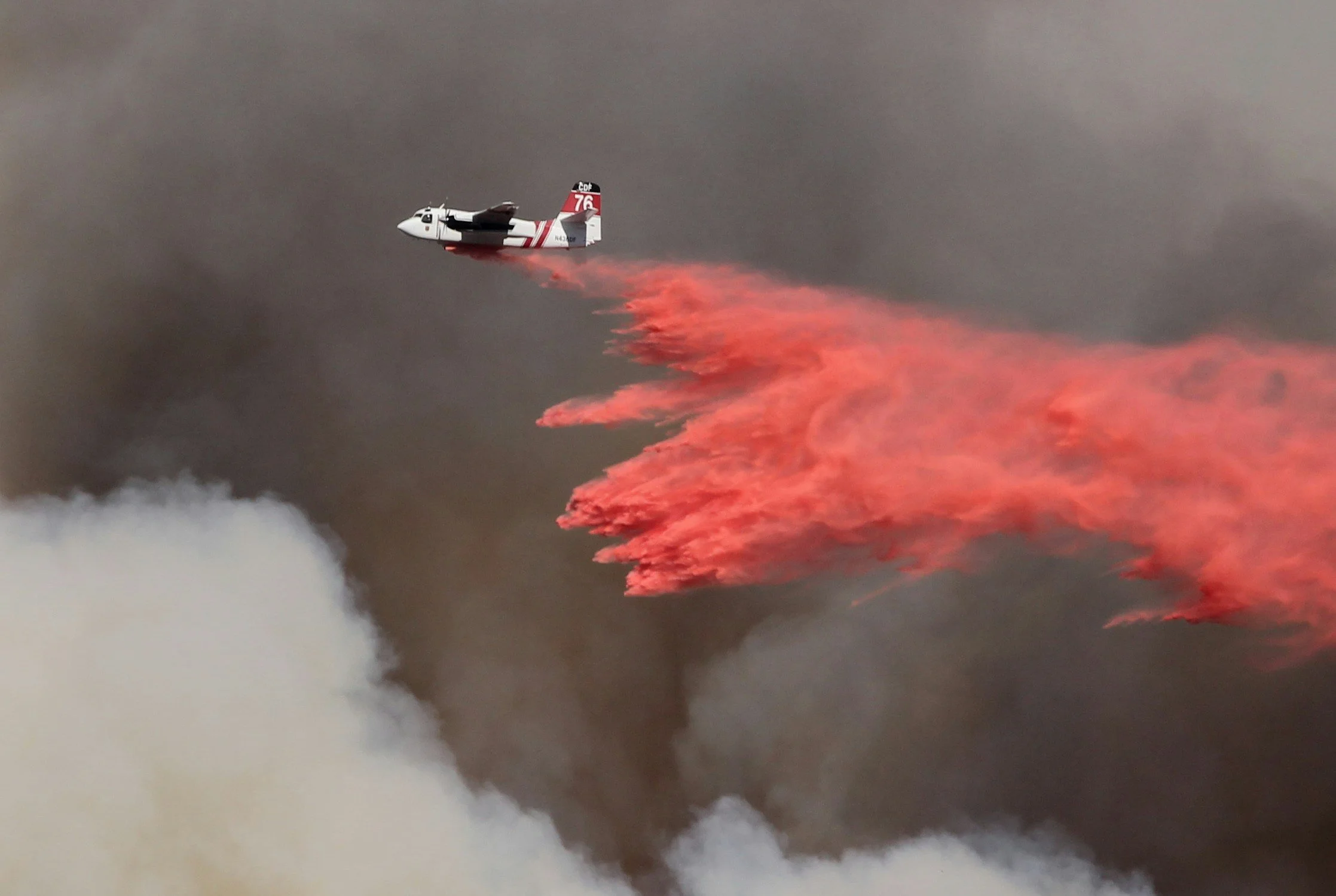
In order to help extinguish flames, large planes called water-bombers often pick up water from nearby lakes, dropping the water on the fire. As water-bombers move water across the landscape, they also shift water dynamics. While this helps to combat the flames, uptaking large amounts of water (6000 liters up to 35,000 liters), can quickly decrease water levels in nearby waterbodies, disrupt water currents, transport nutrients and organisms, and increase atmospheric humidity as the water creates steam when dropped on wildfires. Furthermore, the sudden drop of large amounts of water may increase the risk of minor shoreline erosion.
Though the courageous efforts of water-bombers is greatly appreciated and highly revered, the need for their efforts is only accelerating as wildfires become more persistent each year. This causes the aftermath of fire retardants and large uptakes of water to become more concerning.
4. Many firefighting foams that are used to combat the flames contain PFAS and other chemicals of concern
Sometimes water is not enough to put out a flame, and fire managers use tools such as firefighting foams. Some of which contain harmful substances like per- and polyfluoroalkyl substances (PFAS). PFAS is known as a ‘forever chemical’ as it persists in the environment, accumulating over time. Some PFAS are known to have negative health impacts on people and wildlife.
5. Our current water treatment systems can combat some impacts of wildfires, but they will be under increasing pressure as our fire season continues to get worse.
The impacts of wildfires on source water can make water treatment more challenging and costly, potentially putting communities at risk. Increased carbon in water from erosion of soil, soot, and ash can react with chlorine during the water treatment process, creating harmful Disinfection Byproducts. Long term exposure to high levels of Disinfection Byproducts can have negative impacts on your health and may cause an increased risk of cancer.
Furthermore, water treatment and distribution centres can undergo power outages that impair water treatment, pumping, and monitoring, and experience disruption to access routes that restrict access to treatment plants. As these centres suffer from fire damage, a loss in water supply and/or chemical contamination can increase. Additionally, smoke and debris can infiltrate through vents and openings, contaminating storage tanks and reservoirs.
Calls To Action
As wildfires continue to persist, we have set out a few action items that you can do to help prevent them and protect yourself during these times:
Properly extinguish fires, and never leave fires unattended
Properly dispose of cigarettes, matches, and other smoking materials; avoid smoking in forests and parks, especially during dry conditions or fire bans.
Check if there is a fire ban in your area before open-air burning
Be mindful of barbeques and other flame sources in heavily forested areas or near flammable materials
To reduce your exposure to disinfection byproducts and other contaminants, consider installing household filters on your taps.
Reporting unattended or out-of-control fires