The Reality of Aging Infrastructure
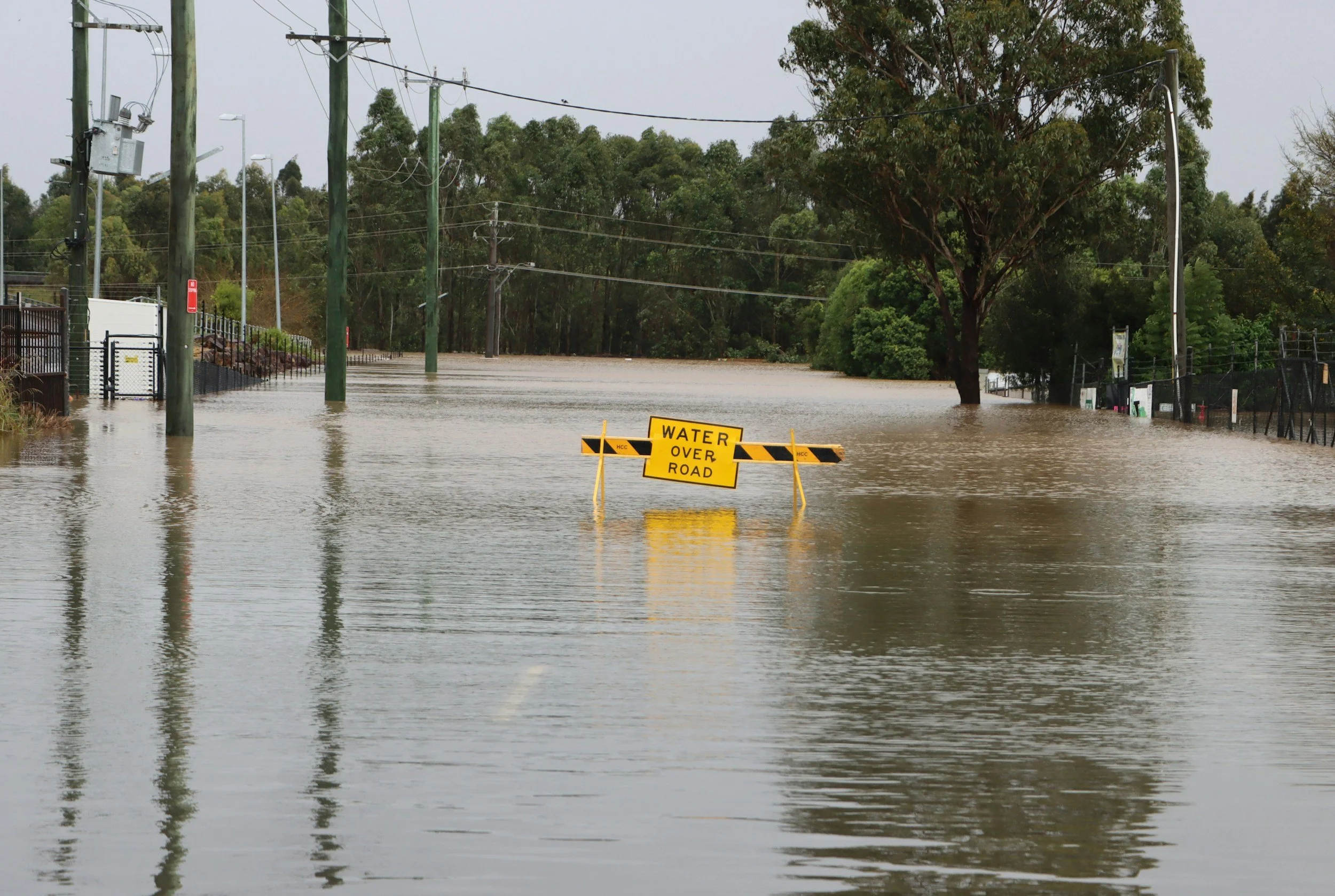
Over the August long weekend, St. Catharines, Ontario, was hit with over 140mm of rain in just 24 hours, leading to overwhelmed storm drains, flooded roads and basements, and the city declaring a state of emergency. This was the second major flooding event the city had experienced in less than a week, prompting many residents to wonder how so much damage can come from just a rainstorm.
The answer isn’t really about rain at all; it’s about the infrastructure below our feet.
A lot of old cities around the world, including parts of St. Catharines and Niagara, rely on aging sewer systems that were designed decades ago for smaller populations and different climates. They were not built to handle the quantity of rain that St. Catharines experienced over the last two weeks.
During events like these, water enters the storm drains and sewers at a faster rate than they can be carried away. This overwhelms the system and leads to water backing up, causing the flooding we saw in businesses and residential spaces. Last weekend was a reminder that these systems have limits.
In many neighbourhoods, both stormwater and wastewater travel through the same pipes in what’s known as a combined sewer system. This works as it’s intended most of the time, but during extreme weather events, the system gets overwhelmed, leading to combined sewer overflows (CSOs).
A CSO occurs when the combination of sewage and stormwater exceeds the capacity of the sewer system and is released directly into nearby lakes, streams, rivers, or other natural bodies of water. As climate change brings more frequent and intense rainfall events, aging infrastructure is being increasingly pushed beyond its limits. That’s why these conversations are so important - prioritizing infrastructure can help prepare communities for the rapidly changing climate. Investing in infrastructure helps prepare us for what’s ahead.
While upgrading infrastructure is essential, there are also steps each of us can take to help take some pressure off the system during extreme weather. Avoid using water for any non-essential activities during heavy rainfall, such as doing the laundry or running the dishwasher. Be mindful of what goes down the drain. Flushing items like wipes, paper towels, and grease creates blockages that make system backups much worse.
Small actions make a big difference, especially if we all take them together. Even just understanding how these systems work makes a difference. We can all play a role in protecting our communities.