
Dylan Leween: A Week in My Life
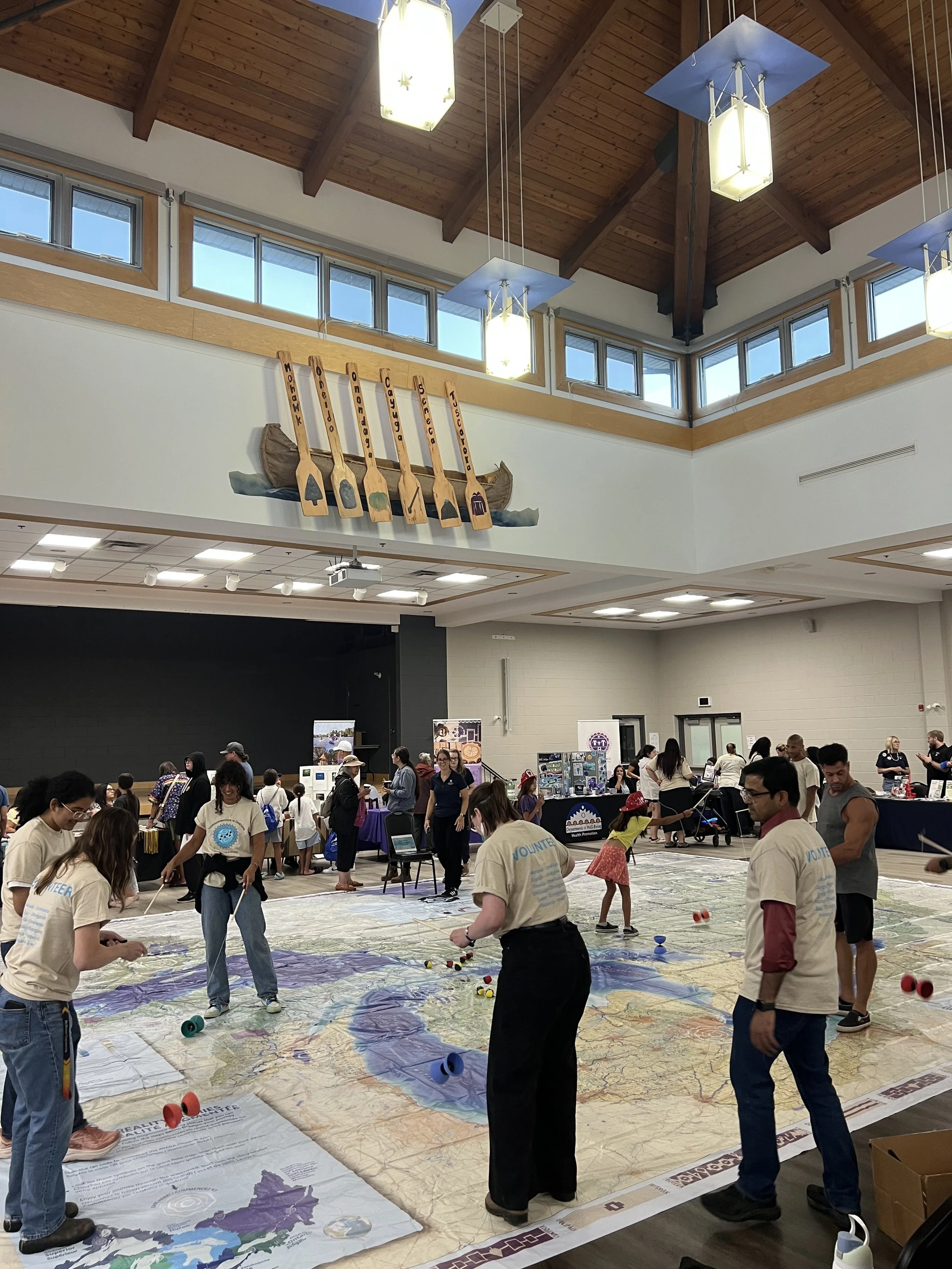
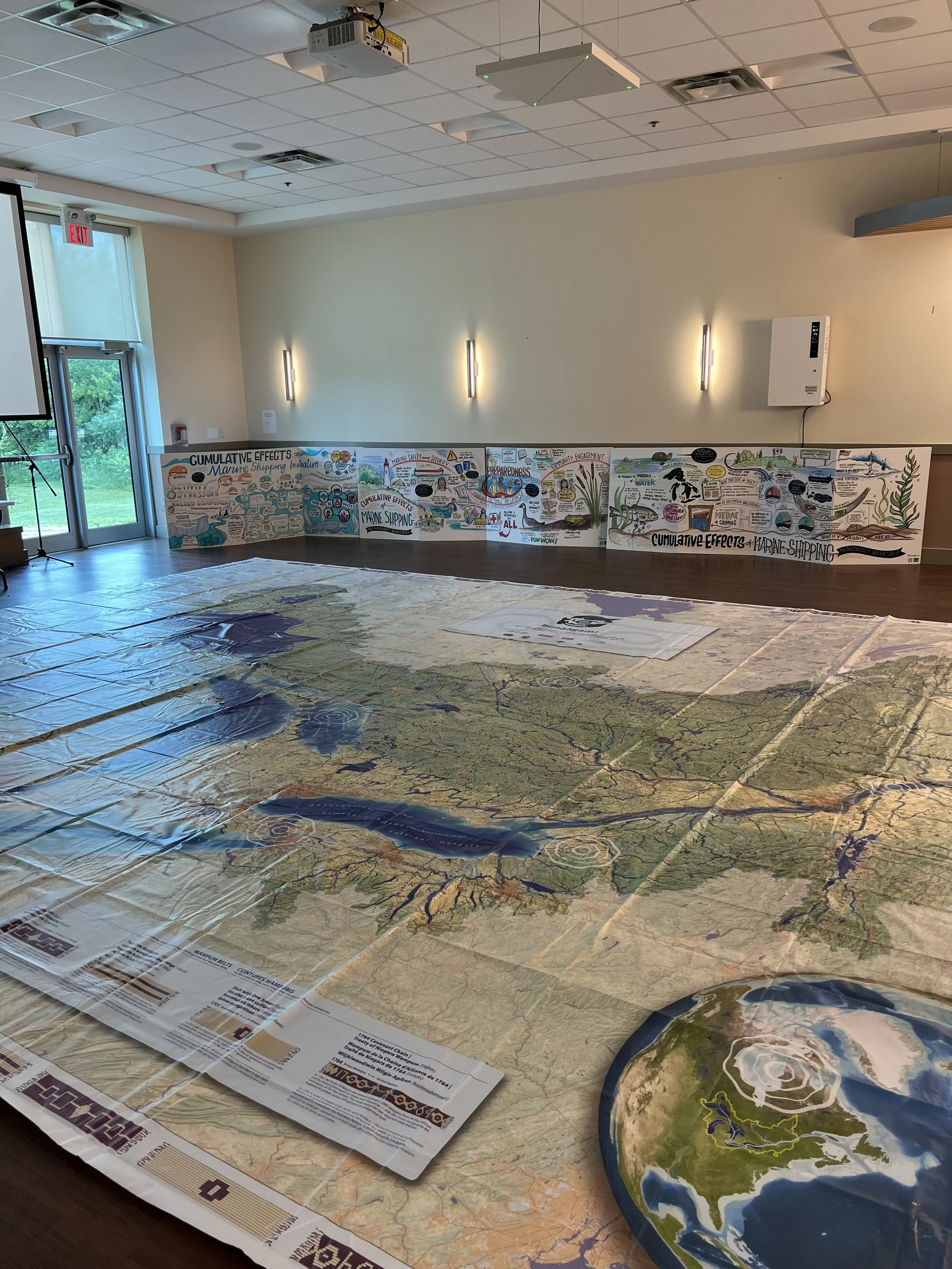
Biinaagami Giant Floor Map at Teyethinonhwerá:ton ne Ohné:kanos
Last week, I had the pleasure of attending some incredible events around the Southern Ontario region that really got me thinking about the water and what it means to me. On Tuesday, July 21st, 2026, I was privileged to attend the Teyethinonhwerá:ton ne Ohné:kanos ("Let Us Give Thanks to the Water") Festival in the Six Nations Community Hall, located in Six Nations of the Grand River, ON, where people came together to celebrate the integral role that water plays in our lives.
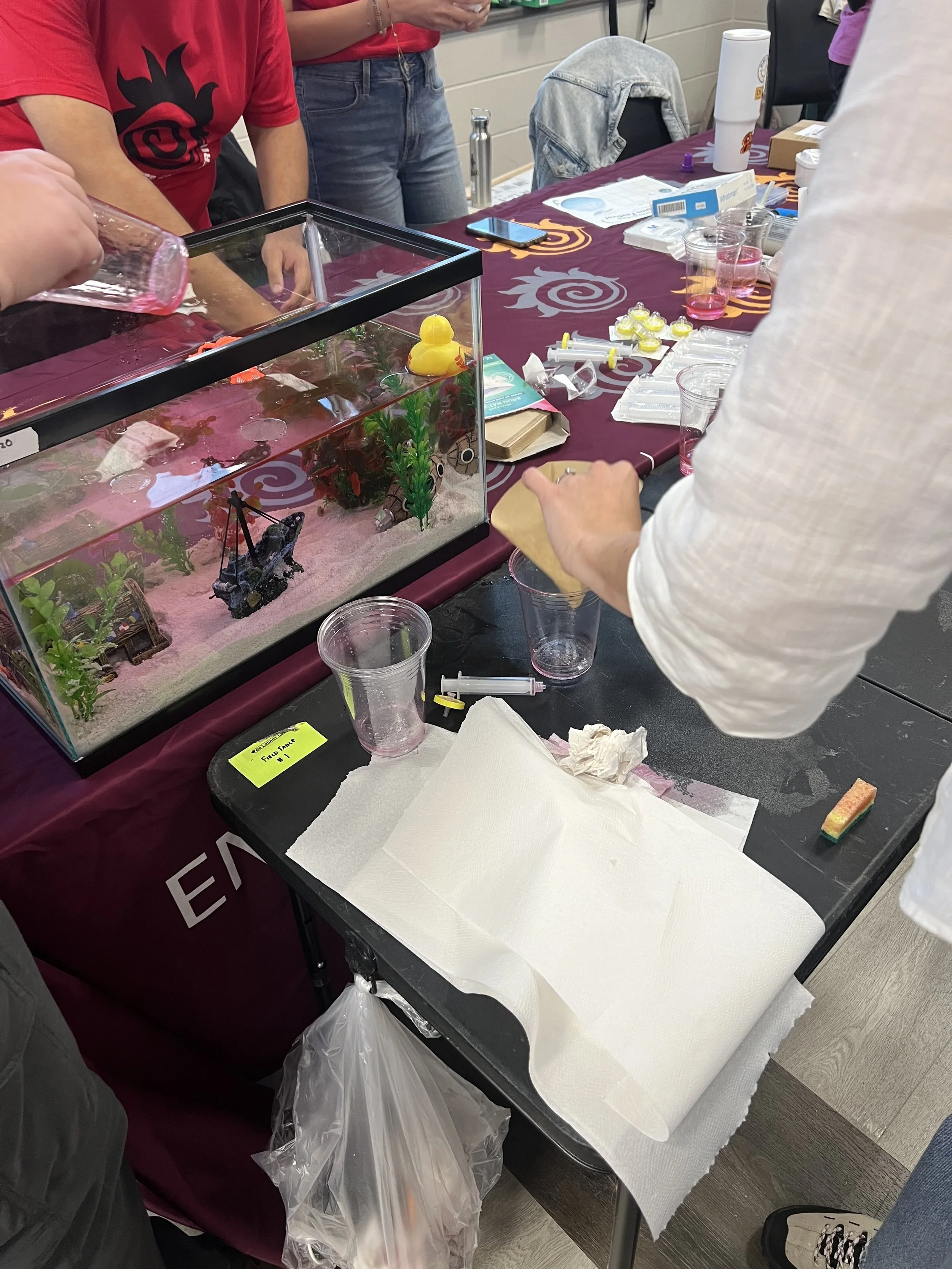
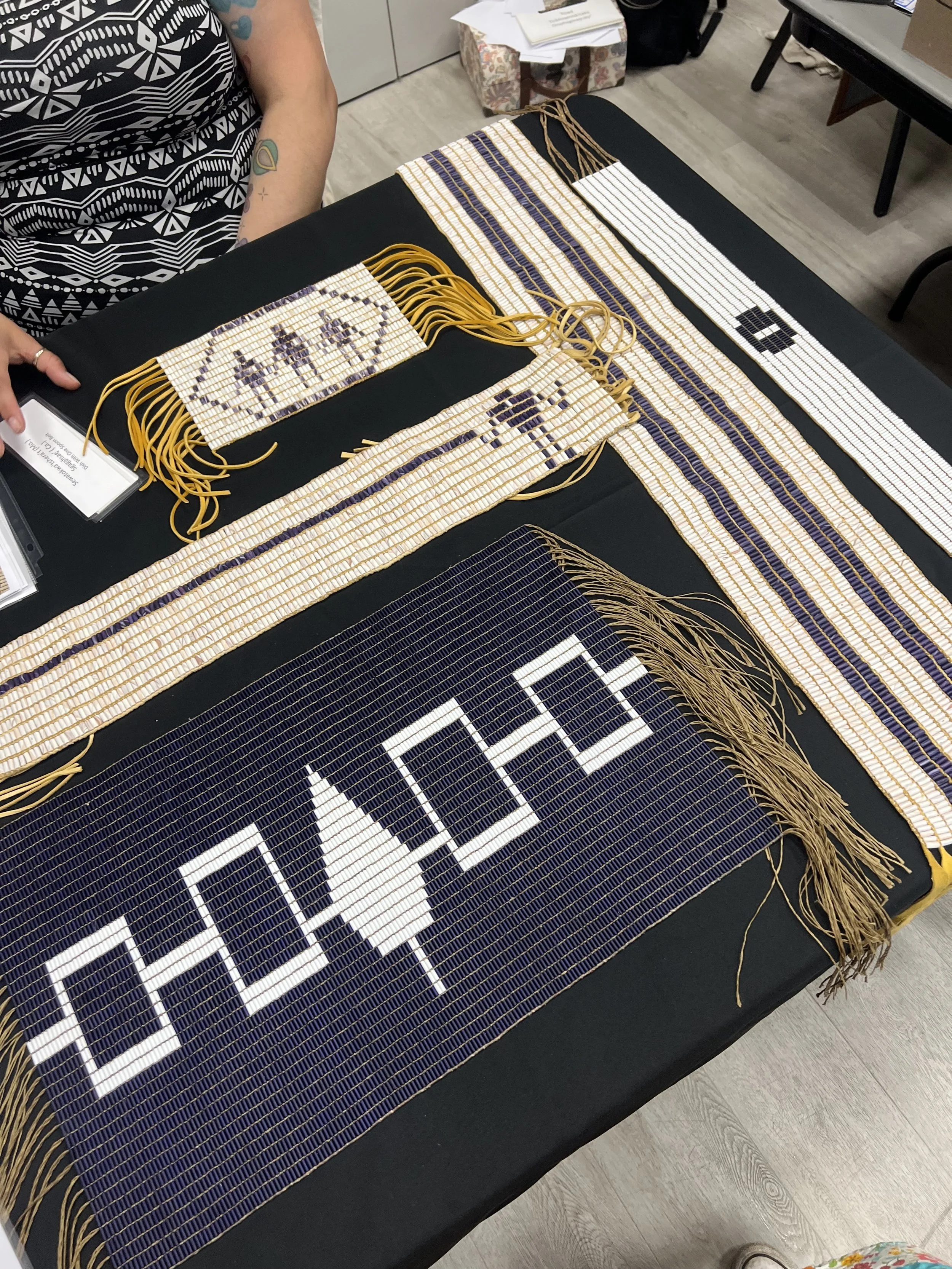
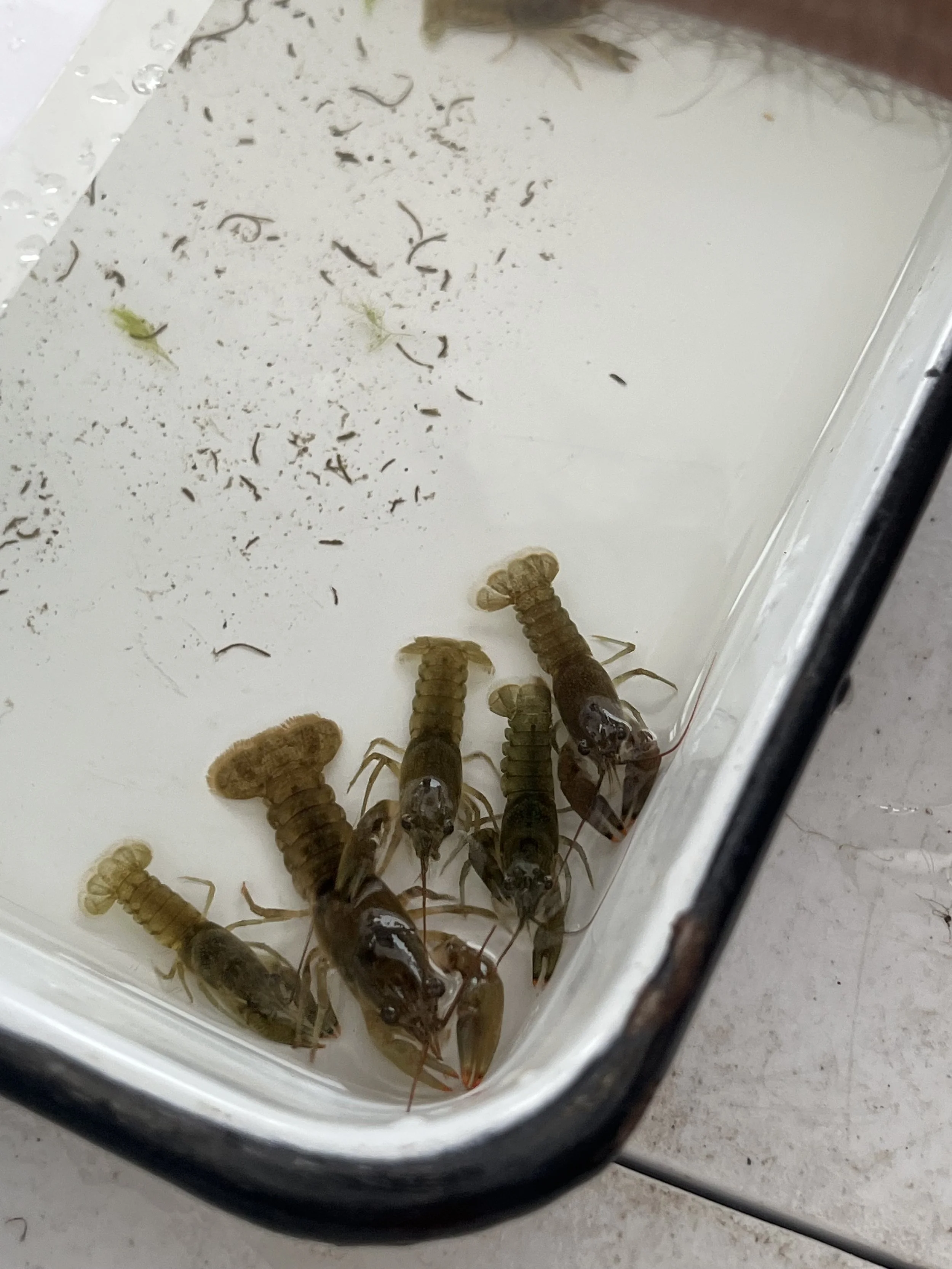
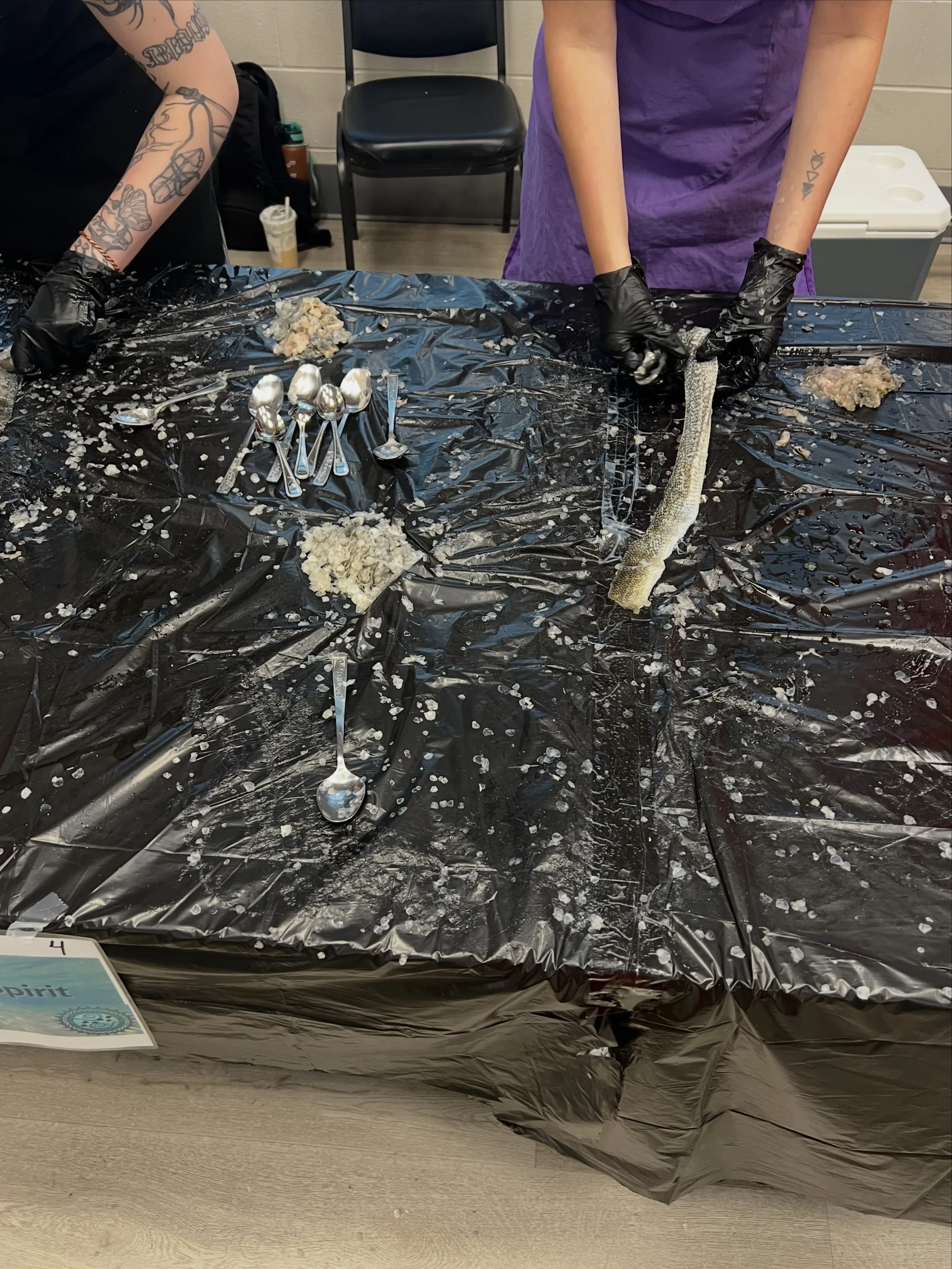
Through interactive booths, we learned about fun ways to connect with water and community. We learned about the process of making fish leather with Kentè:ke Spirit Beads and did some language learning with Six Nations Polytechnic. Every booth had great knowledge to share, such as the people with McMaster University who informed us of the part that water plays in our food systems and the importance of water filtration systems. Deyohahá:ge: Indigenous Language Centre quizzed us on our Wampum belt knowledge as individuals from Cirque Du Soleil taught children how to juggle on the Biinaagami Giant Floor Map. Just outside, we learned about the fish and water bugs that had been caught in the Grand River earlier that day, and how they contribute to water health. It was fitting that it had rained all day during this event, as we celebrated the water while listening to it fall. This festival united so many people through water, encouraging insightful conversations and facilitating creative learning opportunities in a way that inspired a connection to community. I am extremely grateful that I was able to bear witness to such an incredible event.
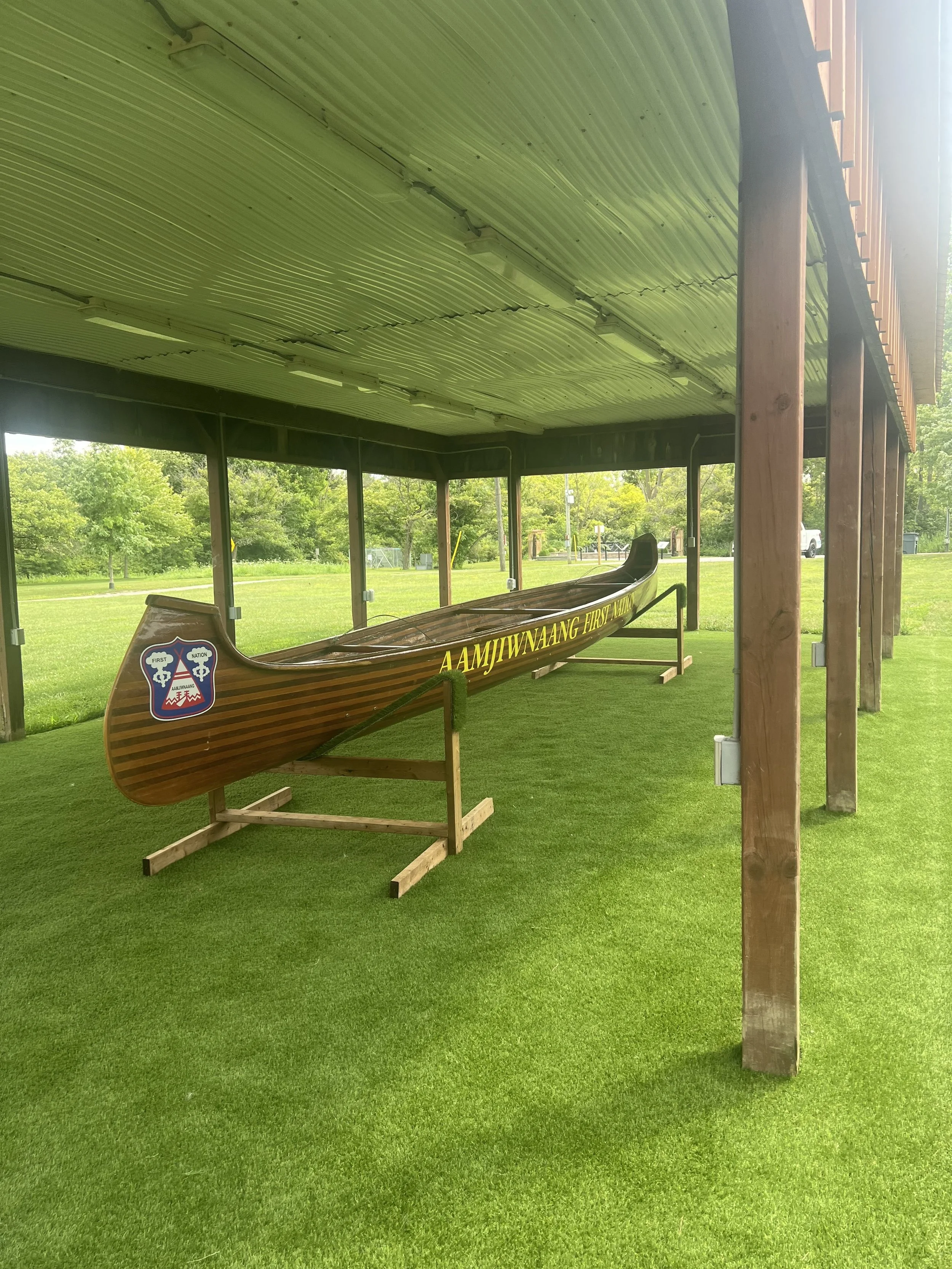
That night, I drove to Aamjiwnaang First Nation to attend the second annual Water Gathering, Gchi-Gami Maamwi Nweshkdaading Nini Onji (Great Lakes Gathering – For the Sake of Water), hosted by the Anishinabek Nation. This gathering was full of like-minded individuals who came together to discuss the importance of water and how each of us are affected by water concerns in our daily lives. It was an incredibly powerful and moving event that consisted of speeches and discussion panels of knowledgeable individuals, including elders, knowledge keepers, a youth council, business professionals, and our very own Heather Patterson with Swim Drink Fish and Katie Doreen with Canadian Geographic, and emceed by Patrick Madahbee, Biinaagami Shared Circle Co-chair.
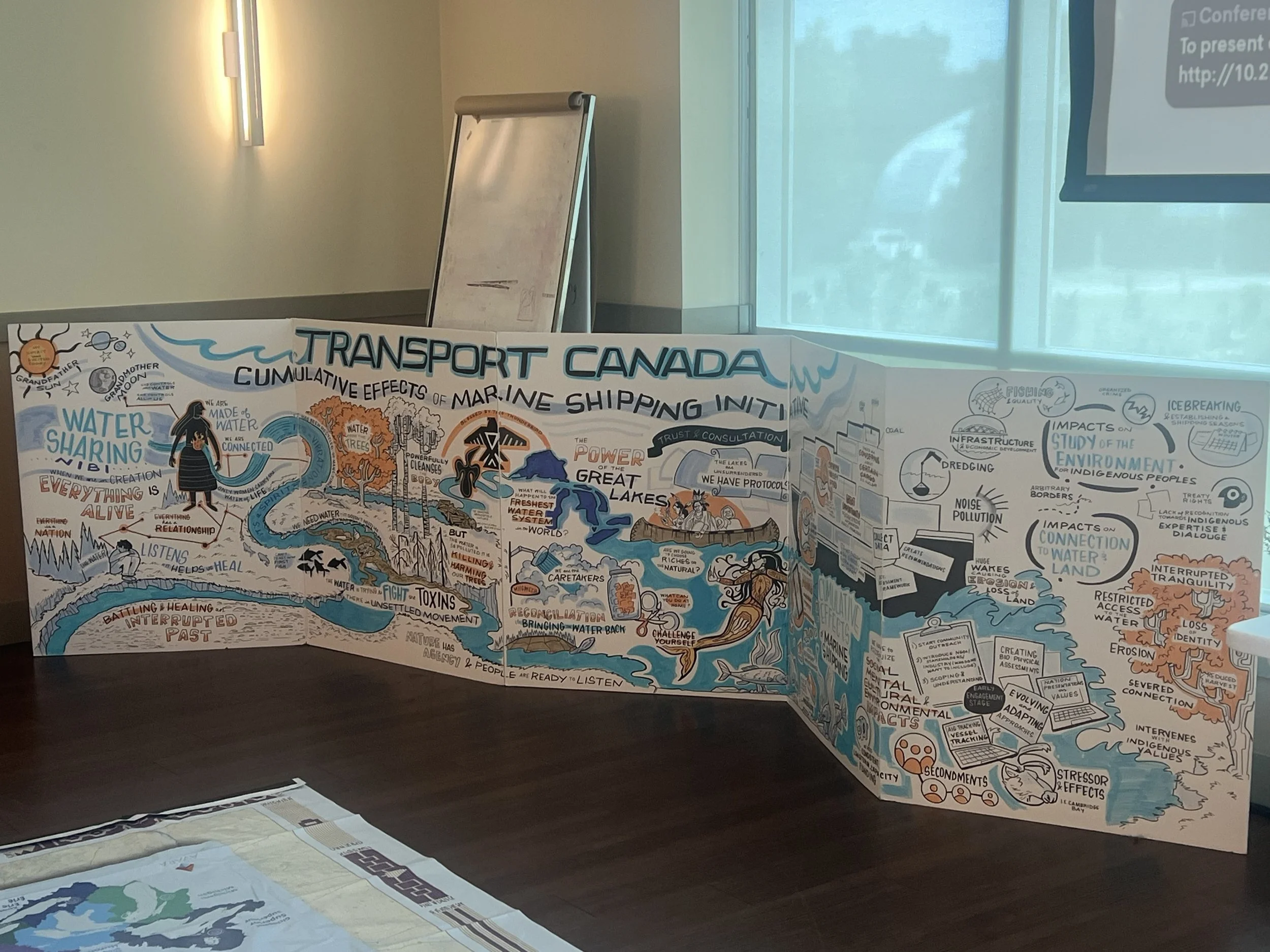
This gathering was influential in many ways. Something that really stuck with me was the youth council. Full of four incredibly knowledgeable young Indigenous women, they talked of the importance of youth being a part of environmental conversations. They talked of the environmental concerns they have faced in their own communities, and how crucial it is for youth to be involved in discussing these issues, as we are the next seven generations. They spoke of Wisdom not equating to age, and that really resonated with me. Furthermore, a quote that touched all of our hearts was said by Lily Brissette, “No one deserves to die drinking something that they need to live.” If water is life, why are so many Indigenous communities facing water boil advisories?
Elders spoke of the lands and waters they were raised on, and how things have changed. A few individuals brought up the docuseries, All Too Clear, where they mentioned the rapid decline of whitefish due to the invasion of quagga mussels in the Great Lakes region. Whitefish has been sustaining Indigenous communities since time immemorial, and with their decline, the concerns for our people and environments have only increased. Throughout these days, there were many opportunities for listeners to voice their concerns and share their own stories about water. Every person in that room (and the world) had a personal connection to the water. As I sat and listened to the passion each person had to create and maintain sustainable water infrastructure for their communities, I realized just how much water connects us all.
Throughout this event, language revitalization was also a prominent topic of discussion. Barbara Nolan, an Elder from Wiikwemkoong First Nation, shared with us some Anishinaabemowin as she talked of the importance of water and passing down generational Indigenous knowledge through traditional language. She taught us words that related to Nibi (water) and how essential it is to remember these words. To learn by the land and water the way our ancestors did. This experience shed light on the importance of water relations, as these relations sustain every generation that has been and will be. I am extremely grateful to have attended such an insightful opportunity. I was privileged to meet so many incredible individuals and be privy to such important conversations. I look forward to the initiatives that will come from this powerful gathering, and the many annual gatherings that will follow.