At the Water’s Edge: My Birthday Reflections on Being a Waterkeeper
Written by Mark Mattson
Last week, I celebrated another year on this beautiful planet, in this remarkable country. Birthdays have a way of making you pause—of taking stock of where you are, and where you’re headed. Especially when it comes to your life’s work.
For me, that work has always come down to one thing: being a Waterkeeper.
As I reflect on over two decades as Lake Ontario Waterkeeper, and as President of Swim Drink Fish, I’m struck by just how much the tide has turned—and how much further we still have to go.
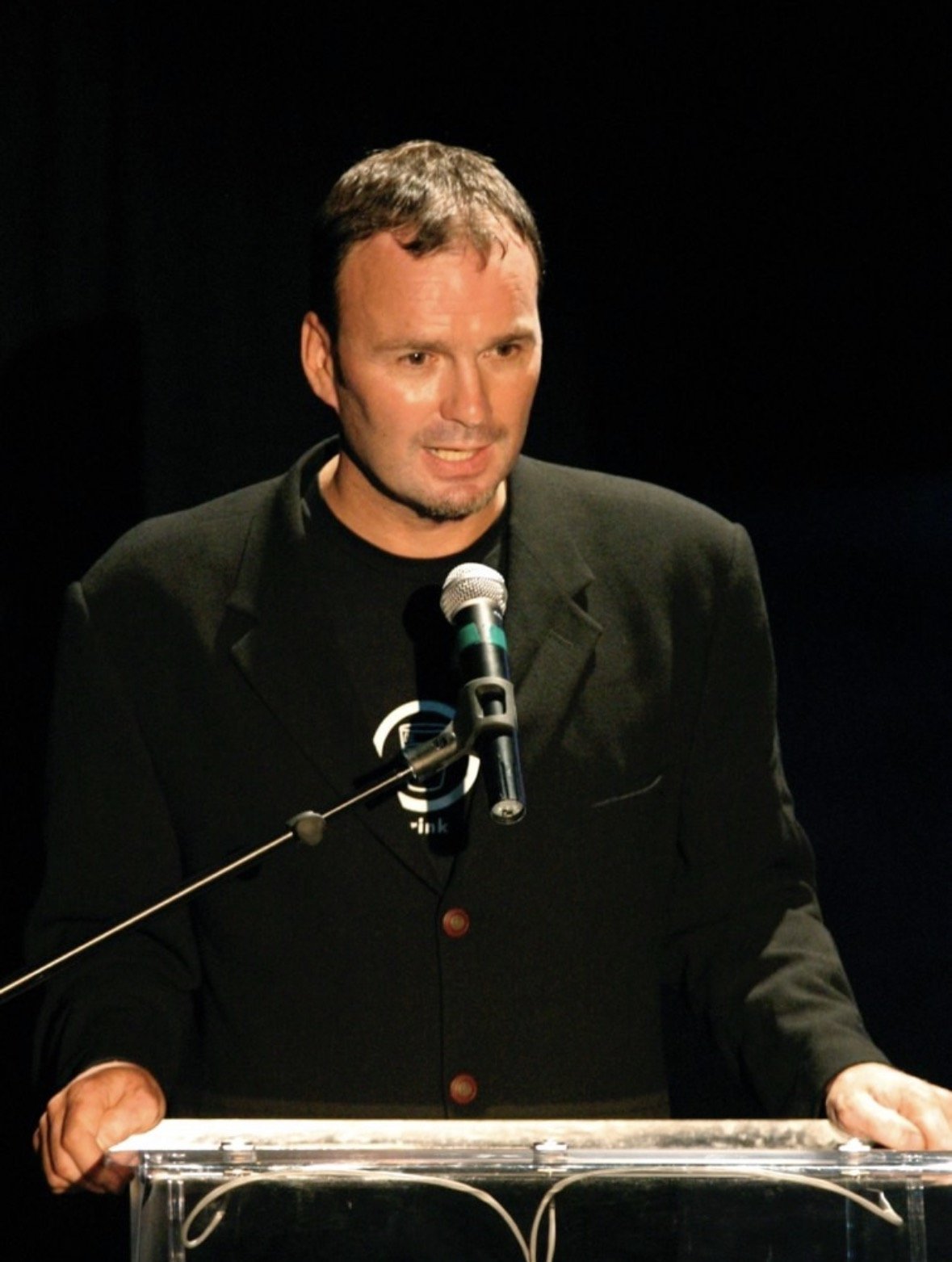
Mark Mattson, President of Swim Drink Fish Canada
From Prosecute to Participate
When we started, the mission was simple, if a bit legalistic: “They pollute, we prosecute.”
As a lawyer, that approach suited my training. We believed that if environmental laws were enforced, our water would be protected.
But we learned a hard truth early on: laws only have power if they have meaning for people.
While we were winning cases, we were watching the broader system erode. The Fisheries Act was rolled back. The Navigable Waters Protection Act was dismantled. Public forums were boarded up. Searching for answers was replaced with sales pitches and hollow gestures.
And despite having some of the strongest water laws in the world, our shorelines were still plastered with signs that read: “No Swimming. No Drinking. No Fishing.”
Those weren’t just health warnings. They were white flags—quiet permissions for pollution to continue, so long as people stayed away.
That’s when we realized we didn’t just want to stand against pollution. We wanted to stand for something. So we moved from the courtroom to the water’s edge.
The Power of a Simple Question
Between 2004 and 2007, we chased the question we heard everywhere—from the public, from the media, from families standing on the beach: “Is Lake Ontario swimmable?”
We sent students to all 51 public beaches on the lake. What we found was startling. No municipality was following the provincial rules for keeping water swimmable, and few were following the water monitoring rules. Further, there was no central place to find the data that was collected. Swimmable water felt like a privilege, not a right.
That gap led to the creation of Swim Guide.
With support from the RBC Blue Water Fund, we began supporting monitoring hubs, collecting samples, and sharing results openly on a new platform called Swim Guide. With that, something powerful happened: communities returned to the water’s edge. With access to clear, trusted information, people reconnected—and once they did, they became protectors.
A Growing Movement
Jump a decade ahead to 2017, and Lake Ontario Waterkeeper emerged as Swim Drink Fish Canada, a national organization, bringing together Lake Ontario Waterkeeper, Fraser Riverkeeper, and North Saskatchewan Riverkeeper under one umbrella. Swim Guide grew beyond anything we imagined—expanding from thousands of users each year to millions, providing water quality information for more than 10,000 beaches.
Data led to action. Action led to restoration.
In Toronto, a Waterkeeper investigation helped transform Bluffers Beach—from the city’s most polluted shoreline into its cleanest. In Kingston, investments in sewage infrastructure unlocked new opportunities for waterfront revitalization, including the Gord Edgar Downie Pier and the renewal of Richardson Beach.
Over and over, we saw the same truth confirmed: when people are given information and a relationship with water, they become its fiercest stewards.
The Road Ahead: Restoring the Relationship
Despite these successes, the work is far from finished.
In Toronto, the number of swimmable beaches has actually declined over the past two decades—despite greater awareness of the billions of litres of untreated sewage released each year. Rain and snowmelt still foul our shorelines, and access to water remains unequal and limited.
That’s why our next chapter is intentionally bold:
Expanding swimmable water in BC, pushing boundaries through the Wave Prize, with support from the Weston Family Foundation
Creating new urban swimming access across the Great Lakes and St. Lawrence River with the support of our many donors and our Artists For Water fundraiser.
Biinaagami, an educational and community‑building initiative rooted in inclusion, shared responsibility, and Indigenous leadership with support from RBC Foundation, a growing partnership with Canadian Geographic, knowledge keepers from across the watershed and the Great Lakes St Lawrence Cities Initiative.
Doing It Together
Across Canada, we continue to face threats to our waters. Whether you work on legacy pollution, toxic sediments, microplastics or the accelerating impacts of development, growth and climate change, none of this can be solved alone.
But when I look at our community—our Ambassadors, Board, supporters, staff, and partners—I see the intention, creativity, and energy needed to repair what’s been damaged.
Water is required for life. Protecting it is a shared responsibility. And after 25 years, I’ve never been more convinced that we can restore our relationship with water—and in doing so, benefit from its healing and energizing power.
Spring is coming. On May 28, our Swim Drink Fish family will gather at Artists for Water 2026 to celebrate our work and auction beautiful artworks donated in support of our mission.
I hope to see you there—or somewhere this year—at the water’s edge.