The Great Lakes are home to a slew of iconic fish. Ancient relic lake sturgeon, bright and bold brook trout, and award winning walleye are well-known symbols of these great bodies of water. However, the Great Lakes are home to over 100 species of fish, many of which your average angler may be unfamiliar with. In the spirit of giving, we wanted to give these often under appreciated fish some attention:
1. Brook Lamprey
Often overlooked for the much-maligned and invasive sea lamprey, several species of lamprey are native to the Great Lakes region. American brook lamprey and northern brook lamprey filter feed on microscopic plant and animal matter in the water as larvae, and adults do not feed. Unfortunately, many interventions to control the spread of invasive sea lamprey can negatively impact native species of lamprey.
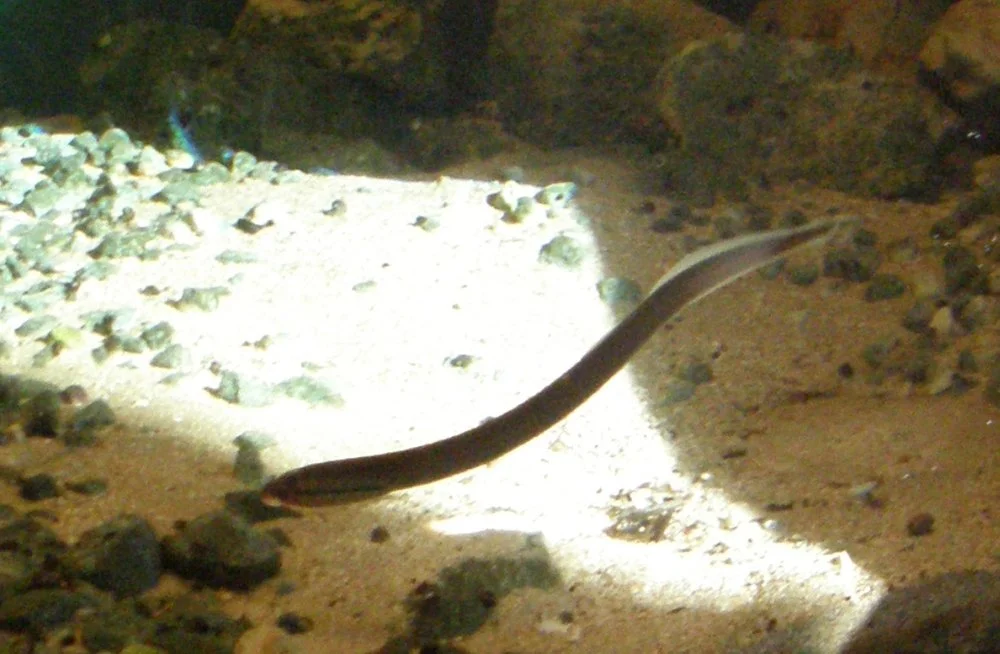
By Ra Boe at German Wikipedia - Self-photographed, CC BY-SA 3.0, https://commons.wikimedia.org/w/index.php?curid=4774384
2. Central Stoneroller
Let’s get the ball (or stone) rolling with the central stoneroller. These algae-grazing minnows can be found across Canada and the U.S., often feeding in schools. With a big appetite, these fish can consume over ¼ of their body weight in algae per day.
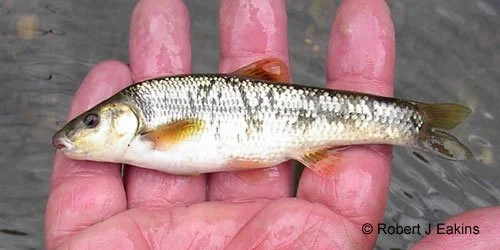
Photo by Robert J Eakins: https://www.ontariofishes.ca/bigpic.php?FID=37&OMNR=216
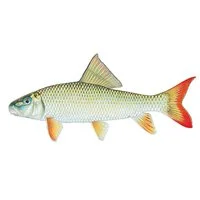
3. River Redhorse
The river redhorse is a member of the sucker family. Growing up to 80cm and over 5kg in weight, they occupy fast moving rivers in isolated pockets of the province. Vulnerable to pollution, the river redhorse is listed as of special concern in Ontario.
4. Quillback
A quillback is another type of sucker with a distinctive pointed dorsal fin. Mainly found in the tributaries and main bodies of large water bodies like the Great Lakes, St. Lawrence River, Rainy River and English-Wabigoon River.
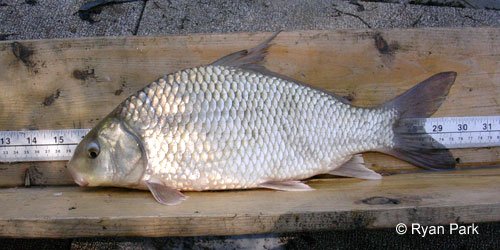
Photo by Ryan Park: https://www.ontariofishes.ca/bigpic.php?FID=17&OMNR=161
5. Margined Madtom
A small and secretive catfish, the margined madtom often only reaches 10cm in length as an adult. Limited to a few select streams, these fish are rarely encountered but are a critical part of the ecosystem.
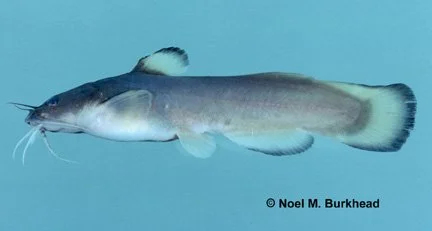
Photo by Noel M. Burkhead - U.S. Geological Survey ©: https://nas.er.usgs.gov/queries/factsheet.aspx?SpeciesID=748
6. Grass Pickerel
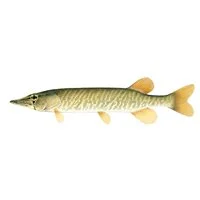
Sometimes mistaken for a small northern pike, grass pickerel are their own species of small, slender fish. Capping out at around 30cm, these fish like to live in heavily vegetated regions of ponds and wetlands with slow-moving water. These fish are considered to be of special concern in Ontario, where their populations are limited to southern ontario and dwindling due to loss of habitat and nutrient runoff.
7. Trout-Perch
Not quite a trout and not quite a perch, the trout-perch gets the best of both worlds! A small and elusive fish, they often spend their days in deep water, returning to the shallows to feed at night. Because of this, they are often not seen even though they are abundant.
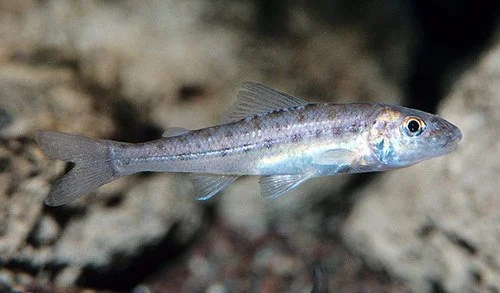
https://www.inaturalist.org/guide_taxa/199581
8. Stickleback
Sticklebacks are a prickly group of fish, many of which can be found in streams of Ontario. Different species have different numbers of spines, and are aptly named (ex., the four spine stickleback, nine spined stickleback, etc.)
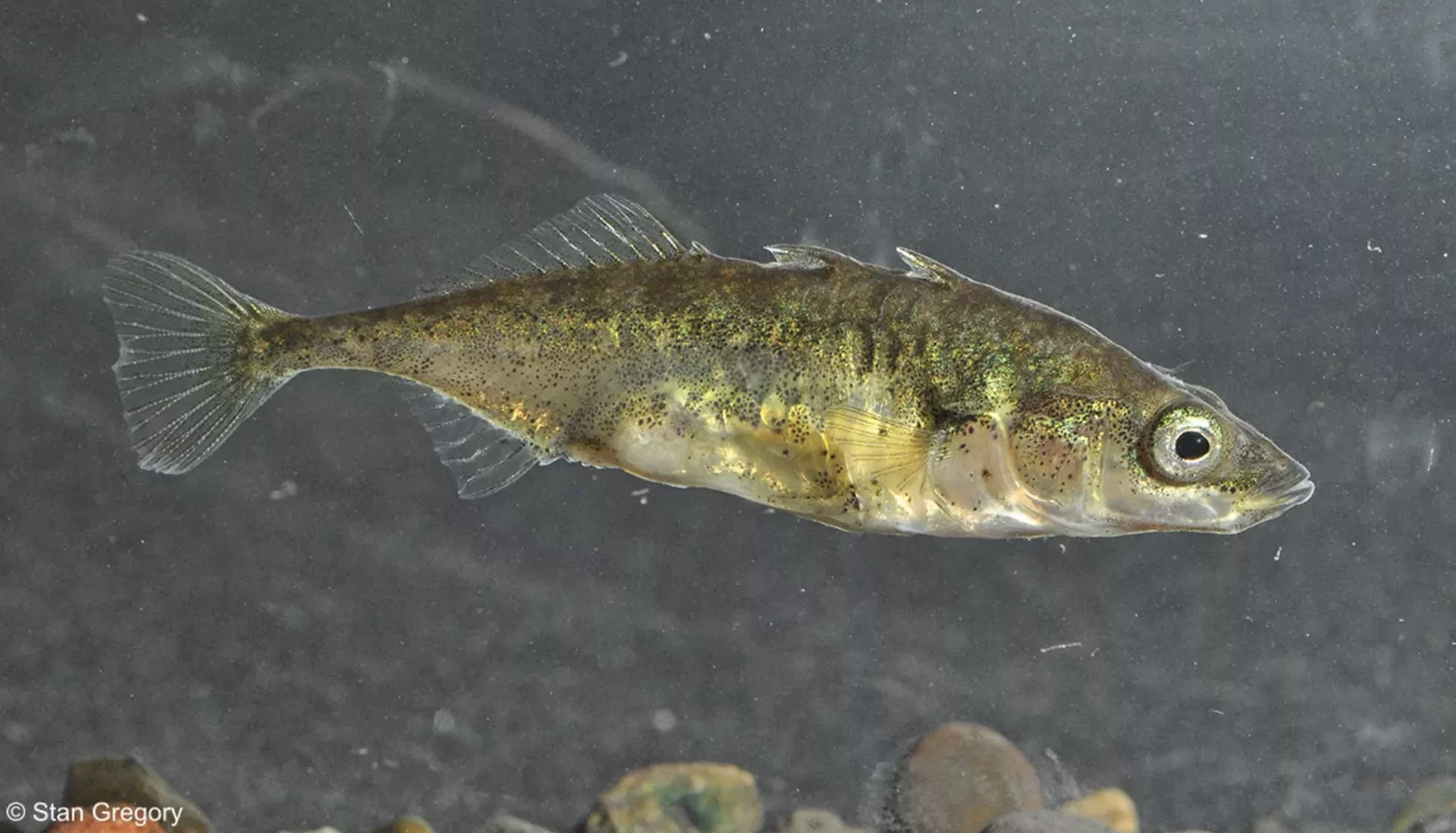
Photo by Stan Gregory: https://seagrant.oregonstate.edu/WRF/native-fishes/stickleback/threespine-stickleback
9. Slimy Sculpin
Often confused with look-alikes like the invasive tubenosed goby, slimy sculpins live at the cold bottom of lakes and rivers where they ‘hop’ along the bottom due to their poor swimming skills.
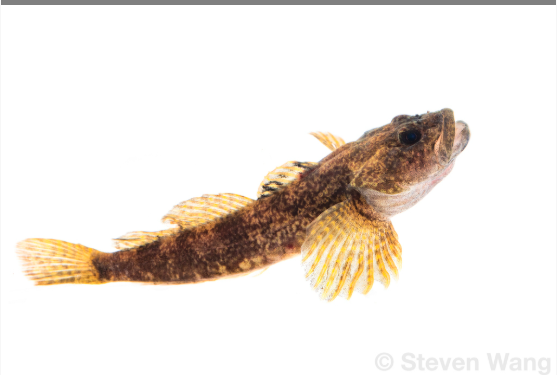
Photo by Steven Wang: https://www.inaturalist.org/taxa/98563-Cottus-cognatus
10. Freshwater Drum
Named for the deep drumming sound they make, the freshwater drum is a piscine percussionist. They only live in North and Central America, and are the only species of drum to spend their entire lives in fresh water.
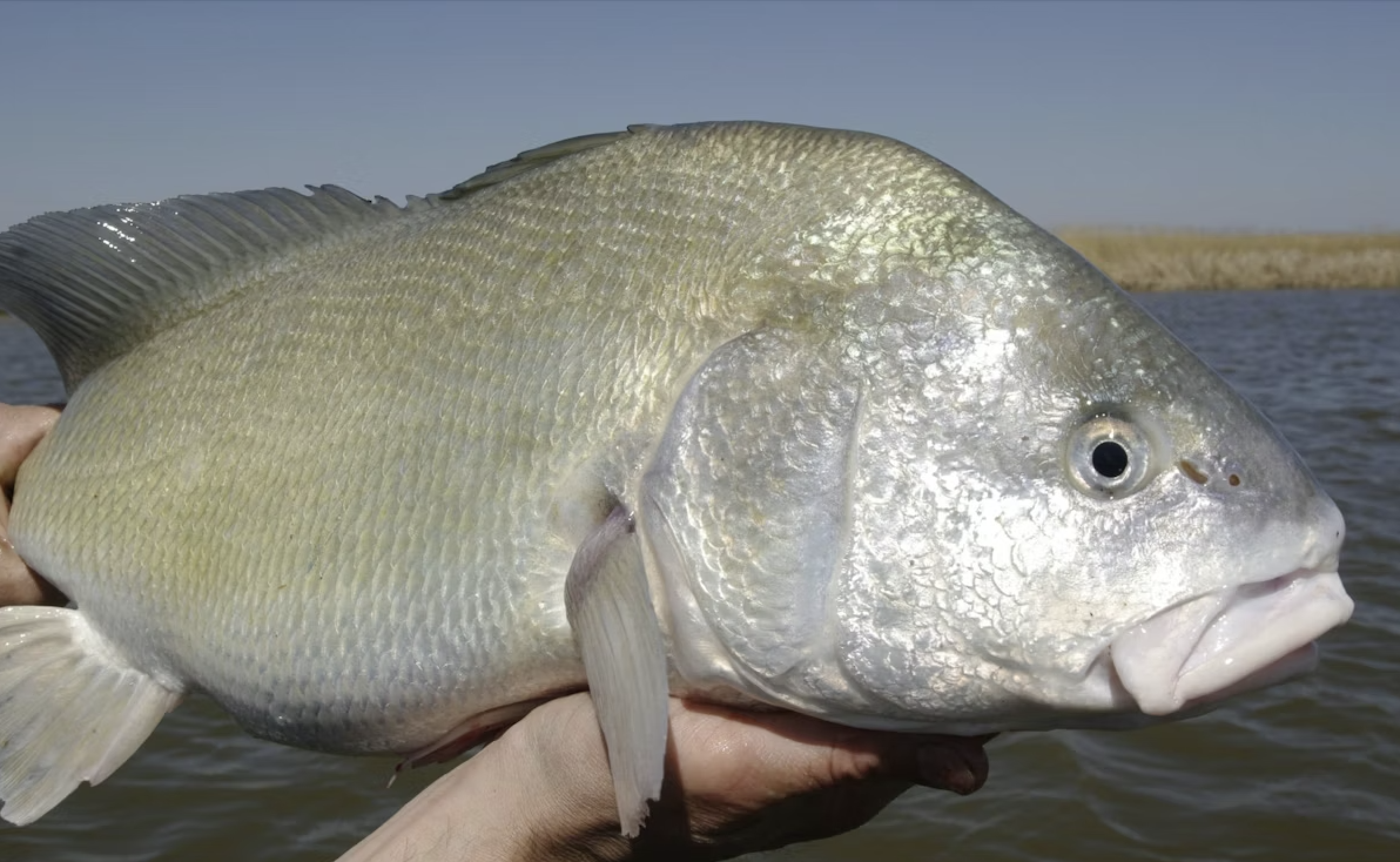
https://huntfishmanitoba.ca/species/freshwater-drum/
11. Sockeye Salmon
Introduced to the Great Lakes region in the late 1800s and early 1900s, these festive fish adorn bright red bodies and green heads when spawning. Though they are not native to the Great Lakes, they have become an integral part of the fishery business in the Great Lakes.
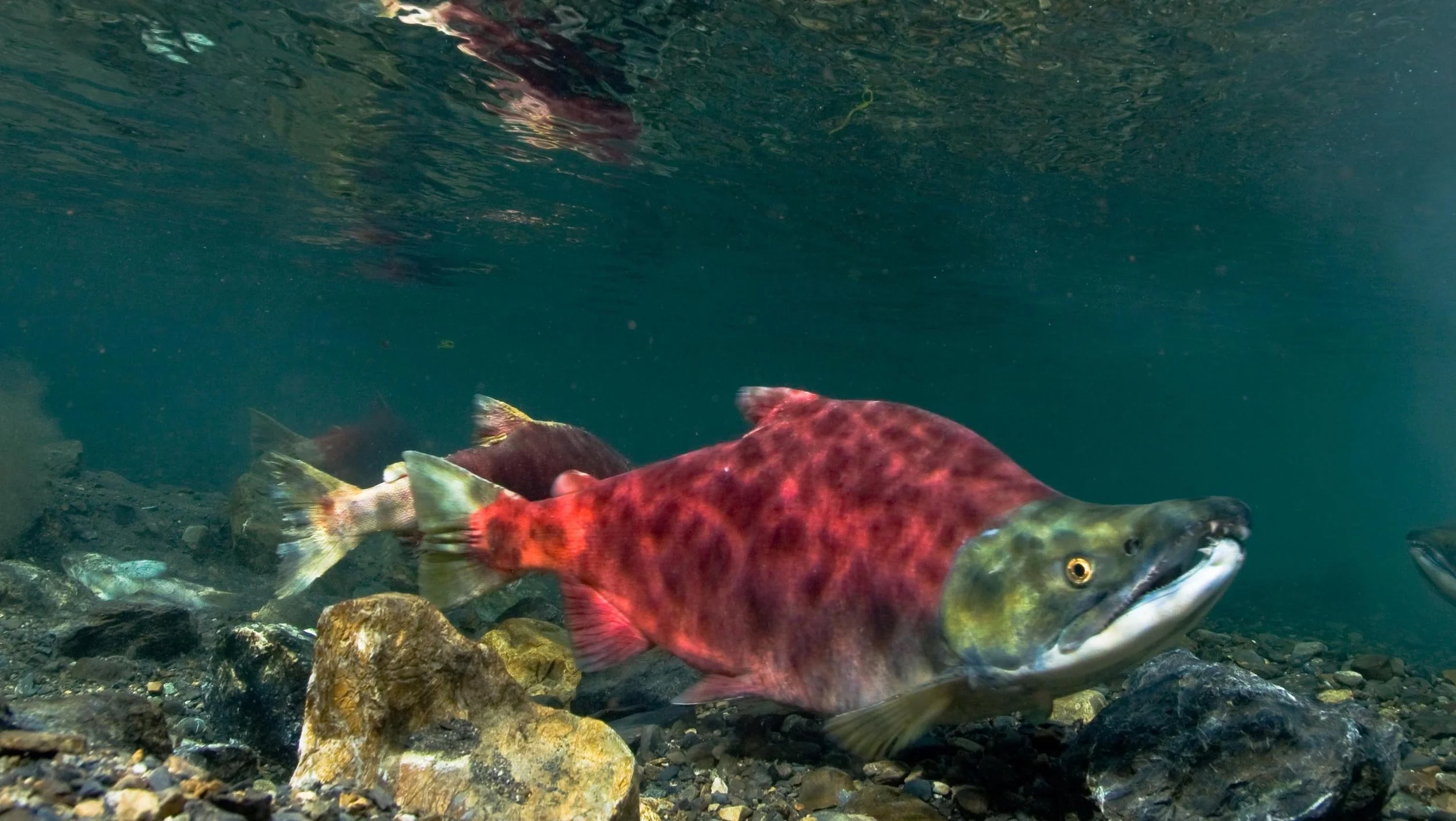
Photo By Milton Love, Marine Science Institute, University of California, Santa Barbara, CA 93106 - https://www.usgs.gov/media/images/image-sockeye-salmon, Public Domain, https://commons.wikimedia.org/w/index.php?curid=91837135
12. Longnose gar
An oldie but a goodie! The longnose gar is thought to have inhabited the lakes and streams of what is now known as North America for millions of years! They even look prehistoric with long jaws that are about 3x the length of their skull adorned with hundreds of needle-like teeth.
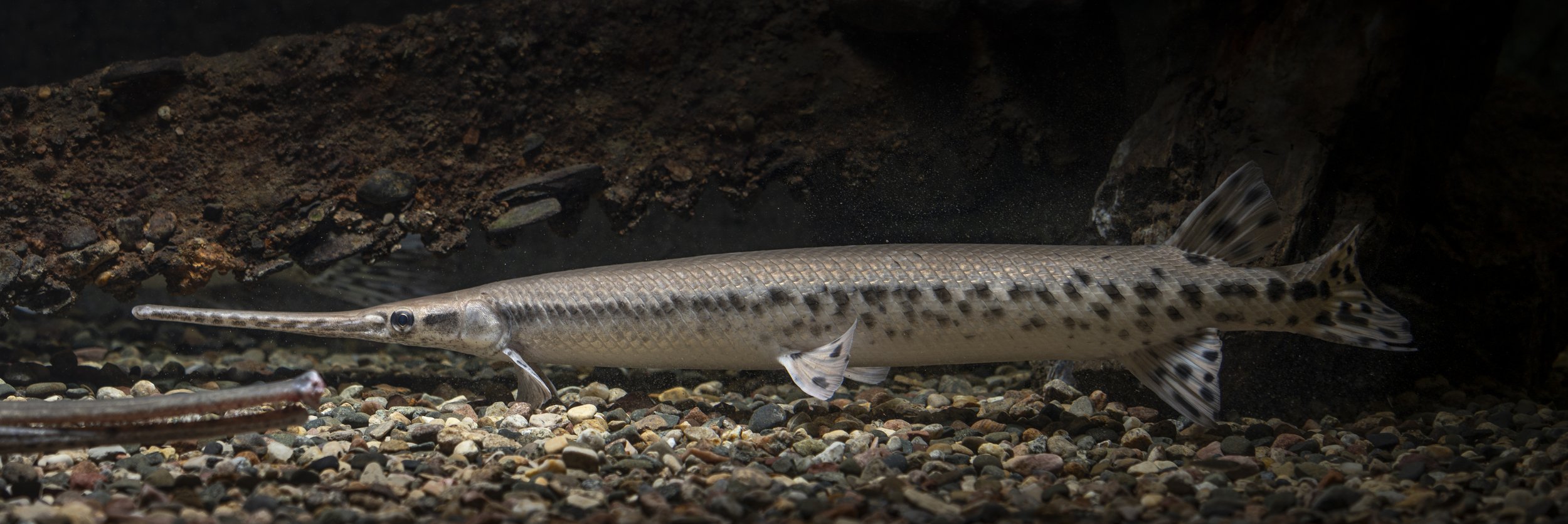
Photo by USFWS Mountain-Prairie - Longnose Gar (Lepisosteus osseus), Public Domain, https://commons.wikimedia.org/w/index.php?curid=148510336